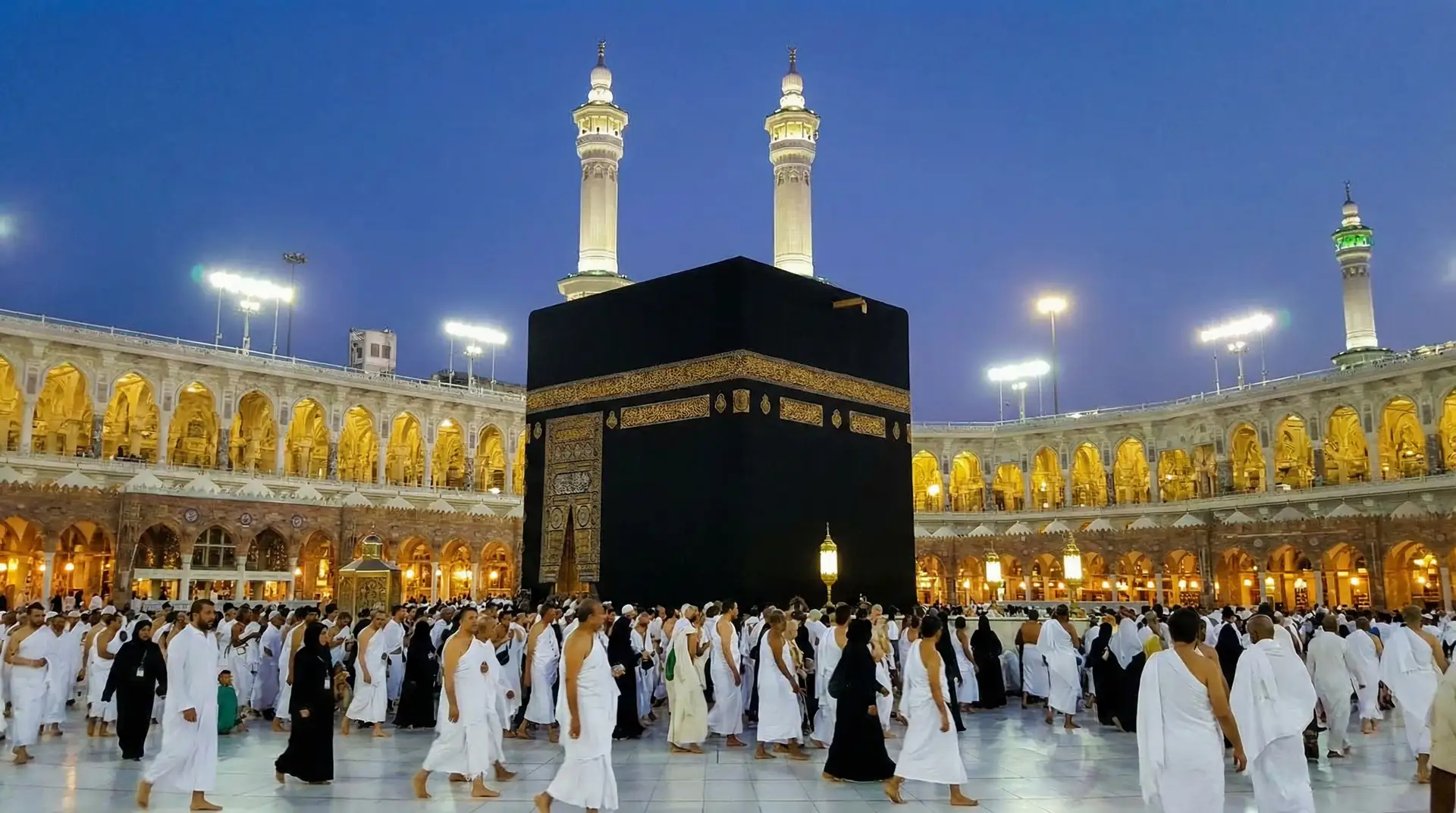
Saudi Arabia Visa for Sudanese Passport Holders in Dubai
Do Sudanese passport holders in Dubai need a visa for Saudi Arabia?
The UK Foreign, Commonwealth & Development Office advises against all travel to within 10km of the border with Yemen and against all but essential travel to the rest of Saudi Arabia (gov.uk travel advice, read 3 November 2026). The UK Foreign, Commonwealth & Development Office states that King Khalid International Airport was struck by a missile on 10 October 2026, continues to be targeted and remains at risk of further attacks, and that there is a heightened threat against airports across Saudi Arabia, including Abha, Jizan, Najran, Riyadh, Jeddah, Dammam and Yanbu (gov.uk travel advice, read 3 November 2026). Yes — but not necessarily an embassy visa. Sudan is not on the Saudi e-Visa passport-nationality list, so the qualifying route for Sudanese in the UAE is residency: with a valid UAE residence permit, you apply online for the Saudi tourist e-Visa at ksavisa.sa — any profession, 90 days per stay, and Umrah is permitted on it outside the Hajj season. GCC residents can apply for the tourist eVisa with a GCC residency visa valid for at least three months beyond the date of entry into Saudi Arabia and a passport valid for at least six months beyond that date, except nationals of Chad, Ethiopia, Iran, Libya and Palestine, who are not offered this route on Visit Saudi’s visa finder. Confirm your eligibility at ksavisa.sa before you rely on the online route. Visit Saudi’s visa finder lists the GCC-resident tourist eVisa at SAR 339.44 (about USD 90.50), with medical insurance not included (captured 20 October 2026). One trap: a UAE residence permit does NOT give visa-on-arrival.
Key Takeaway
- The UK Foreign, Commonwealth & Development Office advises against all travel to within 10km of the border with Yemen and against all but essential travel to the rest of Saudi Arabia (gov.uk travel advice, read 3 November 2026). The UK Foreign, Commonwealth & Development Office states that King Khalid International Airport was struck by a missile on 10 October 2026, continues to be targeted and remains at risk of further attacks, and that there is a heightened threat against airports across Saudi Arabia, including Abha, Jizan, Najran, Riyadh, Jeddah, Dammam and Yanbu (gov.uk travel advice, read 3 November 2026). Yes — but not necessarily an embassy visa. Sudan is not on the Saudi e-Visa passport-nationality list, so the qualifying route for Sudanese in the UAE is residency: with a valid UAE residence permit, you apply online for the Saudi tourist e-Visa at ksavisa.sa — any profession, 90 days per stay, and Umrah is permitted on it outside the Hajj season. GCC residents can apply for the tourist eVisa with a GCC residency visa valid for at least three months beyond the date of entry into Saudi Arabia and a passport valid for at least six months beyond that date, except nationals of Chad, Ethiopia, Iran, Libya and Palestine, who are not offered this route on Visit Saudi’s visa finder. Confirm your eligibility at ksavisa.sa before you rely on the online route. Visit Saudi’s visa finder lists the GCC-resident tourist eVisa at SAR 339.44 (about USD 90.50), with medical insurance not included (captured 20 October 2026). One trap: a UAE residence permit does NOT give visa-on-arrival.
- Channel: Online e-Visa at ksavisa.sa (via UAE residency)
- Max stay: 90 days per entry
- Source: ksavisa.sa + visa.visitsaudi.com — checked 3 Jul 2026
There is a large Sudanese community across the UAE — professionals, engineers, medical staff, and workers who have built their lives in Dubai, Sharjah, and Abu Dhabi. For Arabic-speaking Sudanese passport holders, Saudi Arabia is a frequent destination: family visits, business, and above all Umrah. The most important fact for this community is also the one most often stated wrongly: a Sudanese passport holder living in the UAE does not necessarily need an embassy appointment for a Saudi tourist visa, and can perform Umrah on that same visa outside the Hajj season.
Sudan is not on the Saudi e-Visa passport list — but that list is only one of three qualifying routes. The route that matters for Sudanese in Dubai is residency: hold a valid UAE residence permit, and you may qualify for the Saudi tourist e-Visa online, any profession, at the official ksavisa.sa portal. GCC residents can apply for the tourist eVisa with a GCC residency visa valid for at least three months beyond the date of entry into Saudi Arabia and a passport valid for at least six months beyond that date, except nationals of Chad, Ethiopia, Iran, Libya and Palestine, who are not offered this route on Visit Saudi’s visa finder. A small number of nationalities are restricted to the embassy route; Sudan is not among the commonly-listed exclusions. No profession list applies, and there is no embassy step for tourism, family visits, or Umrah outside Hajj when the online route is open to you.
This guide covers the full picture for Sudanese passport holders in Dubai as of July 2026: how you qualify, Umrah on the tourist e-Visa, the visa-on-arrival trap, official fees, and the online application.
Is Sudan on the Saudi e-Visa List? No — Here Is Your Route
Saudi Arabia's tourist e-Visa has three qualifying routes. The first is by passport: citizens of the countries on the official Permitted Country list apply directly. Sudan is not on that list. The second is by residency: residents of a GCC country qualify. On Visit Saudi’s visa finder, nationals of Chad, Ethiopia, Iran, Libya and Palestine are not offered the GCC-resident route. The third is by visa held: holders of a valid Schengen, US, or UK visit visa, or permanent residents of the US, EU, or UK, also qualify. For a first entry to Saudi Arabia on this route, the Schengen, US or UK visa must be a business or tourist visa with an entry stamp from the issuing country; digital entry stamps are not accepted.
For a Sudanese passport holder living in Dubai, Sharjah, or Abu Dhabi, the residency route is the one that matters. Your UAE residence permit must be valid for at least three months beyond the date of entry into Saudi Arabia, and your passport for at least six months beyond it. You apply online at ksavisa.sa and receive the e-Visa by email — no embassy appointment. It covers Umrah outside Hajj.
One honest caveat: a small number of nationalities are restricted to the embassy route; Sudan is not among the commonly-listed exclusions. Entering your details on ksavisa.sa is the definitive test — if the online e-Visa is offered to you, the residency route is open; if not, the embassy route applies.
Which Saudi e-Visa Route Applies? (Sudanese Passport, 2026)
| Your situation | Route | Where you apply | Notes |
|---|---|---|---|
| Residency valid 3+ months beyond entry | GCC-residency e-Visa | Online at ksavisa.sa | The main route for Sudanese in the UAE — any profession; confirm eligibility at ksavisa.sa |
| Valid Schengen, US, or UK visit visa | Visa-held route | Online e-Visa | The visa should have been used to enter the issuing country |
| US, EU, or UK permanent residence | PR route | Online e-Visa or visa-on-arrival | Green card / EU residence / UK settled status |
| None of the above | Embassy route | Saudi mission in your country of residence | Specific categories |
Residency valid 3+ months beyond entry
- Route
- GCC-residency e-Visa
- Where you apply
- Online at ksavisa.sa
- Notes
- The main route for Sudanese in the UAE — any profession; confirm eligibility at ksavisa.sa
Valid Schengen, US, or UK visit visa
- Route
- Visa-held route
- Where you apply
- Online e-Visa
- Notes
- The visa should have been used to enter the issuing country
US, EU, or UK permanent residence
- Route
- PR route
- Where you apply
- Online e-Visa or visa-on-arrival
- Notes
- Green card / EU residence / UK settled status
None of the above
- Route
- Embassy route
- Where you apply
- Saudi mission in your country of residence
- Notes
- Specific categories
Sudan is not on the passport list, so a Sudanese passport alone does not qualify — one of the routes above must apply. Verify your case at ksavisa.sa.
The Facts Sudanese Applicants Are Most Often Told Wrongly
- No profession list applies — the earlier rule limiting the GCC-resident e-Visa to certain job categories was removed. Any profession qualifies.
- Your UAE residence permit is what qualifies you — no US, UK, or Schengen visa needed first, and no embassy for tourism, family visits, or Umrah outside Hajj. GCC residents can apply for the tourist eVisa with a GCC residency visa valid for at least three months beyond the date of entry into Saudi Arabia and a passport valid for at least six months beyond that date, except nationals of Chad, Ethiopia, Iran, Libya and Palestine, who are not offered this route on Visit Saudi’s visa finder. Confirm the online route is open to you at ksavisa.sa.
Umrah on the Tourist e-Visa for Sudanese in Dubai
For the Sudanese Muslim community in the UAE, this is often the whole reason for the trip: the Saudi tourist e-Visa itself permits Umrah. The official visa terms (visa.visitsaudi.com Terms & Conditions §8.7) and ksavisa.sa's activity guidelines list Umrah as a permitted activity outside the Hajj season. You book your Umrah slot through the Nusuk platform once your e-Visa is issued. Hajj is NOT permitted on a tourist e-Visa — it requires its own dedicated visa channel.
One seasonal point worth planning around: in recent years Saudi Arabia has applied temporary, seasonal restrictions on tourist and visit visas during the Hajj period — roughly April to mid-June — affecting a number of nationalities, and Sudanese passport holders have been among those reported as affected. The clearest documented instance is primary-official: visit-visa holders were barred from entering Makkah during the 2025 Hajj window, from 29 April to 11 June 2025 (visa.visitsaudi.com Terms & Conditions §11.6), a restriction that has since expired. The wider year-by-year list of affected nationalities is reported by travel and immigration sources rather than published as a standing rule, so treat it as a pattern to plan around, not a fixed schedule. As of 3 July 2026, no such restriction is shown on the official portal. If you plan to travel — especially for Umrah — between roughly April and mid-June, verify the current status at ksavisa.sa before applying and before booking.
The Visa-on-Arrival Trap
A common half-truth in the UAE is that Saudi Arabia has visa-on-arrival for everyone. It does not.
Apply for Your Saudi e-Visa with OraVisa
OraVisa checks your eligibility at ksavisa.sa and prepares the application. Free consultation.
Get Your Free ConsultationFrequently Asked Questions
Can Sudanese passport holders in Dubai get a Saudi e-Visa?
Yes, in most cases. Sudan is not on the Saudi passport-nationality list, but Sudanese passport holders who are UAE residents qualify through the GCC-residency route: a valid UAE residence permit lets you apply online at ksavisa.sa for the tourist e-Visa — any profession, no embassy, 90 days per stay. GCC residents can apply for the tourist eVisa with a GCC residency visa valid for at least three months beyond the date of entry into Saudi Arabia and a passport valid for at least six months beyond that date, except nationals of Chad, Ethiopia, Iran, Libya and Palestine, who are not offered this route on Visit Saudi’s visa finder. A small number of nationalities are restricted to the embassy route; Sudan is not among the commonly-listed exclusions.
Can Sudanese Muslims perform Umrah on the Saudi tourist e-Visa?
Yes — the tourist e-Visa's official terms permit Umrah outside the Hajj season (visa.visitsaudi.com T&C §8.7), with the Umrah slot booked via the Nusuk platform after the visa is issued. Hajj is not permitted on a tourist e-Visa. In recent years Saudi Arabia has applied temporary, seasonal visit-visa restrictions during the Hajj period (roughly April to mid-June), with Sudanese passport holders among those reported as affected; that wider list is reported by travel and immigration sources rather than published as a standing rule. As of 3 July 2026, no such restriction is shown on the official portal — verify at ksavisa.sa before travelling between roughly April and mid-June.
Can Sudanese get a Saudi visa on arrival with a UAE residence visa?
No. A UAE residence permit does not grant visa-on-arrival.
How much does the Saudi e-Visa cost for Sudanese in the UAE?
Visit Saudi’s visa finder lists the GCC-resident tourist eVisa at SAR 339.44 (about USD 90.50), with medical insurance not included (captured 20 October 2026). The government cost is the same for every applicant on this route; be cautious of bundled prices far above it.
Do only certain professions qualify for the Saudi e-Visa via UAE residency?
No. The earlier profession-list requirement was removed. If you have been told only white-collar categories can apply, that information is outdated.
Need Expert Visa Assistance?
OraVisa handles everything from document preparation to submission; you attend in person only where the mission requires biometrics or an interview. Get a free consultation today.
Get Free ConsultationTools to Help You Prepare
All tools are free — no login required. View all tools →
Related Visa Guides
Latest Visa Updates
Written by
Ahmed Al Rashid
Senior Visa Consultant
Senior Visa Consultant at OraVisa with 12+ years of visa consultancy experience. Has guided thousands of UAE residents through visa applications for 100+ countries.
Expert reviewed by Ahmed Al Rashid
Senior Visa Consultant
Last updated: · 12+ years of visa consultancy experience
Last updated: