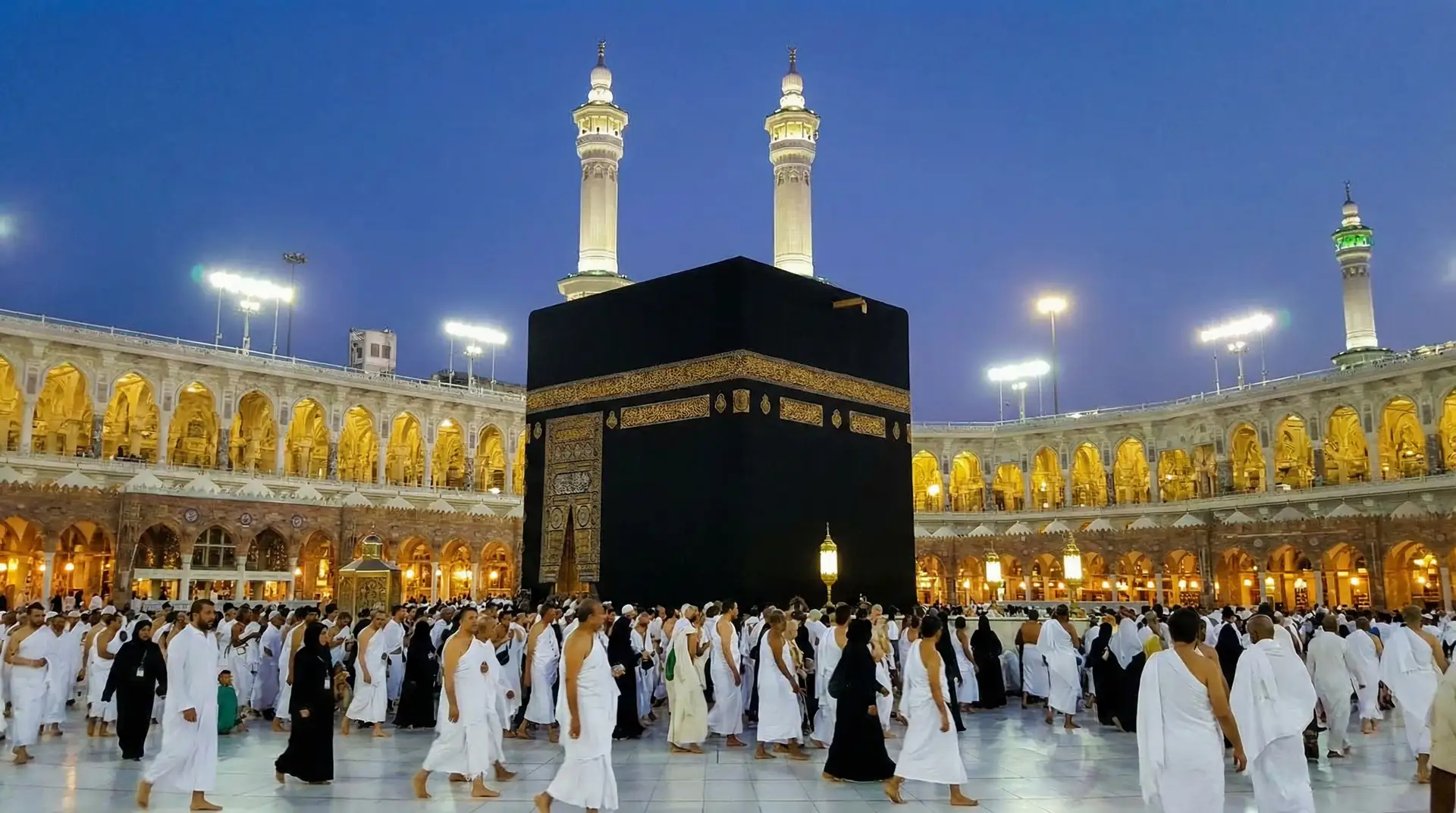
Saudi Arabia Visa from Dubai: Tourist, Visit & Business Guide 2026
How do I apply for a Saudi Arabia visa from Dubai?
The UK Foreign, Commonwealth & Development Office advises against all travel to within 10km of the border with Yemen and against all but essential travel to the rest of Saudi Arabia (gov.uk travel advice, read 3 November 2026). The UK Foreign, Commonwealth & Development Office states that King Khalid International Airport was struck by a missile on 10 October 2026, continues to be targeted and remains at risk of further attacks, and that there is a heightened threat against airports across Saudi Arabia, including Abha, Jizan, Najran, Riyadh, Jeddah, Dammam and Yanbu (gov.uk travel advice, read 3 November 2026). Apply online for the e-Visa if you qualify on any one of three routes: passport nationality, residence in a GCC country (your UAE residence permit), or a valid US/UK/Schengen visa or US/EU/UK permanent residence. For a first entry to Saudi Arabia on a US, UK or Schengen visa, the visa must be a business or tourist visa with an entry stamp from the issuing country; digital entry stamps are not accepted. The e-Visa is valid for 1 year and allows multiple entries of up to 90 days per stay. GCC residents can apply for the tourist eVisa with a GCC residency visa valid for at least three months beyond the date of entry into Saudi Arabia and a passport valid for at least six months beyond that date, except nationals of Chad, Ethiopia, Iran, Libya and Palestine, who are not offered this route on Visit Saudi’s visa finder. GCC citizens (including Emiratis) travel visa-free.
Key Takeaway
- The UK Foreign, Commonwealth & Development Office advises against all travel to within 10km of the border with Yemen and against all but essential travel to the rest of Saudi Arabia (gov.uk travel advice, read 3 November 2026). The UK Foreign, Commonwealth & Development Office states that King Khalid International Airport was struck by a missile on 10 October 2026, continues to be targeted and remains at risk of further attacks, and that there is a heightened threat against airports across Saudi Arabia, including Abha, Jizan, Najran, Riyadh, Jeddah, Dammam and Yanbu (gov.uk travel advice, read 3 November 2026). Apply online for the e-Visa if you qualify on any one of three routes: passport nationality, residence in a GCC country (your UAE residence permit), or a valid US/UK/Schengen visa or US/EU/UK permanent residence. For a first entry to Saudi Arabia on a US, UK or Schengen visa, the visa must be a business or tourist visa with an entry stamp from the issuing country; digital entry stamps are not accepted. The e-Visa is valid for 1 year and allows multiple entries of up to 90 days per stay. GCC residents can apply for the tourist eVisa with a GCC residency visa valid for at least three months beyond the date of entry into Saudi Arabia and a passport valid for at least six months beyond that date, except nationals of Chad, Ethiopia, Iran, Libya and Palestine, who are not offered this route on Visit Saudi’s visa finder. GCC citizens (including Emiratis) travel visa-free.
- e-Visa Validity: 1 year, multiple entry
- Max Stay: 90 days per stay
Saudi Arabia is one of the most significant travel destinations for UAE residents — whether for tourism, business, family visits, or religious pilgrimage. The two neighbouring countries share a land border, extensive cultural ties, and one of the busiest air routes in the Middle East.
GCC citizens (including Emiratis) enter visa-free.
This guide covers everything UAE residents need to know about obtaining a Saudi Arabia visa from Dubai in 2026: visa types, e-Visa eligibility by nationality, the step-by-step e-Visa application process, the embassy route for excluded nationalities and non-tourist categories, document requirements, fees, processing times, the transit visa programme, and practical tips specific to UAE residents — including guidance on Umrah visas, which operate under a completely separate system.
Saudi Arabia Visa Types: An Overview
Saudi Arabia offers several visa categories relevant to UAE residents. Beyond tourism, the Kingdom issues visit visas for family and business purposes, transit visas for stopovers through Saudi airports, and Umrah visas for Muslim pilgrims. Understanding which category applies to your purpose of travel and how you qualify for the e-Visa is the essential first step.
Saudi Arabia Visa Types for UAE Residents (2026)
| Visa Type | Purpose | Validity | Entries | Fee (SAR) | Application Channel |
|---|---|---|---|---|---|
| Visit Visa (family / relatives) | Visiting Saudi-resident family members | As per embassy decision | Single or multiple (varies) | Check the official portal | Embassy / Consulate in Dubai or Abu Dhabi |
| Transit Visa | Layover stop at Saudi airports en route to another country | Up to 96 hours | Single transit | Check the official portal | Online |
| Umrah Visa | Performance of Umrah pilgrimage to Makkah and Madinah | Per-season validity | Single or multiple (as issued) | Varies by scheme | Authorised Umrah travel agents in UAE |
| Hajj Visa | Annual Hajj pilgrimage | Hajj season only | Single | Check the official portal | UAE Ministry-approved Hajj operators |
| Work / Iqama Visa | Employment in Saudi Arabia | Per employer sponsorship | Multiple | Varies | Saudi employer-sponsored; through embassy |
Visit Visa (family / relatives)
- Purpose
- Visiting Saudi-resident family members
- Validity
- As per embassy decision
- Entries
- Single or multiple (varies)
- Fee (SAR)
- Check the official portal
- Application Channel
- Embassy / Consulate in Dubai or Abu Dhabi
Transit Visa
- Purpose
- Layover stop at Saudi airports en route to another country
- Validity
- Up to 96 hours
- Entries
- Single transit
- Fee (SAR)
- Check the official portal
- Application Channel
- Online
Umrah Visa
- Purpose
- Performance of Umrah pilgrimage to Makkah and Madinah
- Validity
- Per-season validity
- Entries
- Single or multiple (as issued)
- Fee (SAR)
- Varies by scheme
- Application Channel
- Authorised Umrah travel agents in UAE
Hajj Visa
- Purpose
- Annual Hajj pilgrimage
- Validity
- Hajj season only
- Entries
- Single
- Fee (SAR)
- Check the official portal
- Application Channel
- UAE Ministry-approved Hajj operators
Work / Iqama Visa
- Purpose
- Employment in Saudi Arabia
- Validity
- Per employer sponsorship
- Entries
- Multiple
- Fee (SAR)
- Varies
- Application Channel
- Saudi employer-sponsored; through embassy
UAE nationals (Emirati passports) and GCC nationals do not require a visa to enter Saudi Arabia — they may enter with their national identity card or passport. The table above applies to residents of the UAE holding non-GCC passports.
Which Visa Is Right for Your Trip?
- Travelling for tourism, leisure, or visiting friends: GCC residents can apply for the tourist eVisa with a GCC residency visa valid for at least three months beyond the date of entry into Saudi Arabia and a passport valid for at least six months beyond that date, except nationals of Chad, Ethiopia, Iran, Libya and Palestine, who are not offered this route on Visit Saudi’s visa finder.
- Business meetings or conferences: use the same e-Visa portal and select the business purpose
- Visiting a Saudi-resident family member who will sponsor your stay: apply for a family visit visa through the embassy
- Short stopover at Riyadh, Jeddah, or Dammam airports: check transit visa eligibility
- Performing Umrah: the tourist e-Visa now covers Umrah; dedicated Umrah visas remain available through authorised agents
Saudi e-Visa Eligibility: Which Nationalities Can Apply Online?
Saudi Arabia's e-Visa programme covers nationals of countries — predominantly Western, East Asian, and GCC-adjacent nationalities — and, importantly, also residents of GCC countries. GCC residents can apply for the tourist eVisa with a GCC residency visa valid for at least three months beyond the date of entry into Saudi Arabia and a passport valid for at least six months beyond that date, except nationals of Chad, Ethiopia, Iran, Libya and Palestine, who are not offered this route on Visit Saudi’s visa finder. The e-Visa allows tourism, leisure, and business visits of up to 90 days per stay within a 1-year multiple-entry validity window. Critically, the tourist e-Visa also permits performance of Umrah, removing the need for a separate pilgrimage visa for those who qualify for the e-Visa.
Saudi e-Visa: Eligibility by Nationality (UAE Residents)
| Passport Nationality | e-Visa Eligible? | Visa Channel |
|---|---|---|
| UAE (Emirati) | Visa-free | No visa needed |
| British | Yes | Online — visa.visitsaudi.com |
| American (USA) | Yes | Online — visa.visitsaudi.com |
| Australian | Yes | Online — visa.visitsaudi.com |
| Canadian | Yes | Online — visa.visitsaudi.com |
| German / French / EU (Schengen countries) | Yes | Online — visa.visitsaudi.com |
| Japanese | Yes | Online — visa.visitsaudi.com |
| South Korean | Yes | Online — visa.visitsaudi.com |
| Chinese | Yes | Online — visa.visitsaudi.com |
UAE (Emirati)
- e-Visa Eligible?
- Visa-free
- Visa Channel
- No visa needed
British
- e-Visa Eligible?
- Yes
- Visa Channel
- Online — visa.visitsaudi.com
American (USA)
- e-Visa Eligible?
- Yes
- Visa Channel
- Online — visa.visitsaudi.com
Australian
- e-Visa Eligible?
- Yes
- Visa Channel
- Online — visa.visitsaudi.com
Canadian
- e-Visa Eligible?
- Yes
- Visa Channel
- Online — visa.visitsaudi.com
German / French / EU (Schengen countries)
- e-Visa Eligible?
- Yes
- Visa Channel
- Online — visa.visitsaudi.com
Japanese
- e-Visa Eligible?
- Yes
- Visa Channel
- Online — visa.visitsaudi.com
South Korean
- e-Visa Eligible?
- Yes
- Visa Channel
- Online — visa.visitsaudi.com
Chinese
- e-Visa Eligible?
- Yes
- Visa Channel
- Online — visa.visitsaudi.com
The e-Visa eligible nationalities — and the residency and visa-held routes — are subject to change. Always verify current eligibility at the official portal (ksavisa.sa) before applying.
Important Note: UAE Residency IS a Qualifying Route for the e-Visa
- GCC residents can apply for the tourist eVisa with a GCC residency visa valid for at least three months beyond the date of entry into Saudi Arabia and a passport valid for at least six months beyond that date, except nationals of Chad, Ethiopia, Iran, Libya and Palestine, who are not offered this route on Visit Saudi’s visa finder.
Step-by-Step: Applying for the Saudi Tourist e-Visa Online
The entire process is completed online through Saudi Arabia's official portal.
- 1Go to the official Visit Saudi e-Visa portal — ensure you are using the official Saudi government website to avoid fraudulent third-party sites. The portal is available in English and Arabic.
- 2Create an account or log in — register with your email address and set a secure password. You will use this account to track your application status and retrieve your approved visa.
- 3Select your nationality and verify eligibility.
- 4Complete the application form — enter your personal details exactly as they appear on your passport: full name, date of birth, nationality, passport number, passport expiry date, and contact information (your UAE mobile number and Dubai address).
- 5Upload required documents — you will need a clear scan of your passport (biographical page) and a recent digital passport photograph. On the GCC-resident route, you must provide a GCC residency visa valid for at least three months beyond the date of entry into Saudi Arabia.
- 6Purchase mandatory travel insurance — Saudi Arabia requires all e-Visa holders to hold valid travel insurance that covers medical expenses inside the Kingdom. Insurance can be purchased directly through the portal as part of the application. You cannot complete the application without this step.
- 7Pay the visa fee. Payment is made by credit or debit card directly on the portal. This fee is non-refundable once submitted.
- 8Submit the application and await approval. Download and save your e-Visa PDF, which contains your visa number, validity dates, and permitted stay duration.
- 9Travel to Saudi Arabia — present your e-Visa (printed or on your phone) alongside your valid passport at Saudi immigration. The immigration officer will verify your visa electronically and stamp your passport upon entry.
Sources
- Visit Saudi e-Visa Portal— Verified February 2026
- Saudi Arabia General Directorate of Passports (Jawazat)— Verified February 2026
Embassy / Consulate Route: Excluded Nationalities and Non-Tourist Visas
The embassy or consulate route is needed mainly in two situations: (1) a small set of excluded nationalities (for example Chad, Ethiopia, Iran, Libya, Palestine) who cannot use the online route, and (2) non-tourist visa categories such as certain business, work, or longer family-visit visas. Where it applies, the embassy process is more involved and requires physical document submission and in-person attendance in some cases.
Where the embassy route is required, the Saudi consulate in Dubai handles consular services including certain visit visas, family visit visas, and business visas. Most embassy visa applications in the UAE are processed through the Enjazit platform (enjazit.com.sa), Saudi Arabia's official online visa appointment and application management system.
- 1Register on the Enjazit platform (enjazit.com.sa) — Enjazit is the official Saudi government portal for managing visa appointments and tracking application status for embassy visa applicants.
- 2Prepare your complete document set — gather all required documents (see the Document Requirements section below). Ensure every document is complete, current, and correctly formatted before booking your appointment.
- 3Book a visa appointment — use the Enjazit portal to book an appointment at the Saudi Consulate General in Dubai (Jumeirah area) or the Royal Embassy in Abu Dhabi. Appointment slots can be limited during peak periods; book early.
- 4Submit your documents at the consulate — attend your appointment with original documents and photocopies. Some nationalities may be required to attend an in-person interview; others may only submit documents through a visa agent.
- 5Pay the visa fee — paid at the consulate or through the Enjazit portal depending on the application type.
- 6Track your application status — monitor your application through the Enjazit portal. You will receive an SMS or email notification when the visa decision is ready.
- 7Collect your visa or receive it by email — approved visas are typically issued as a sticker affixed to your passport page or as a digital visa document. Collect your passport from the consulate or authorised agent who submitted on your behalf.
Using a Visa Agent for the Embassy Process
- OraVisa assists with the full Saudi embassy visa process in Dubai
- We prepare and review your complete document set before submission
- We coordinate Enjazit appointments and monitor your application status throughout the process
- The consulate may permit lodgement through a representative — confirm current practice before relying on it; OraVisa prepares your file and guides the submission
- For family visit visas, your Saudi-based family member (the host) must complete their side of the invitation through the Absher platform in Saudi Arabia before the consulate will process your application
Need Help with Your Saudi Visa Application from Dubai?
OraVisa handles Saudi Arabia visa applications for all nationalities in the UAE — from e-Visa assistance to helping prepare and coordinate the embassy application (you attend the consulate in person where required).
Get Free ConsultationDocument Requirements for Saudi Arabia Visa from Dubai
Document requirements differ between the e-Visa (which is minimal) and the embassy visa application (which is more comprehensive). Below are the requirements for both channels, tailored to UAE residents applying from Dubai.
Saudi Visa Document Requirements: e-Visa vs Embassy Application
| Document | e-Visa (Online) | Embassy Visit Visa |
|---|---|---|
| Valid passport (min 6 months validity) | Required — digital scan | Required — original + photocopy |
| Passport photograph (recent) | Required — digital upload | Required — printed photograph |
| UAE residence visa copy | Required on the GCC-resident route | Required — original + photocopy |
| Emirates ID copy | Recommended | Required |
| Return flight booking or itinerary | Not required at application stage | Required |
| Hotel booking confirmation | Not required at application stage | Required (or host invitation letter) |
| Host invitation letter (for family visits) | Not applicable | Required — issued via Saudi Absher platform by host |
| Bank statements (3 months) | Not required | Required — showing financial sufficiency |
| Employment letter from UAE employer | Not required | Required — on company letterhead with salary and leave details |
| Travel insurance | Mandatory — purchased during e-Visa application | Arrange separately before travel |
| Proof of religion (for Umrah) | Not required for e-Visa Umrah | Certificate of Islam may be required for Umrah visa channel |
Valid passport (min 6 months validity)
- e-Visa (Online)
- Required — digital scan
- Embassy Visit Visa
- Required — original + photocopy
Passport photograph (recent)
- e-Visa (Online)
- Required — digital upload
- Embassy Visit Visa
- Required — printed photograph
UAE residence visa copy
- e-Visa (Online)
- Required on the GCC-resident route
- Embassy Visit Visa
- Required — original + photocopy
Emirates ID copy
- e-Visa (Online)
- Recommended
- Embassy Visit Visa
- Required
Return flight booking or itinerary
- e-Visa (Online)
- Not required at application stage
- Embassy Visit Visa
- Required
Hotel booking confirmation
- e-Visa (Online)
- Not required at application stage
- Embassy Visit Visa
- Required (or host invitation letter)
Host invitation letter (for family visits)
- e-Visa (Online)
- Not applicable
- Embassy Visit Visa
- Required — issued via Saudi Absher platform by host
Bank statements (3 months)
- e-Visa (Online)
- Not required
- Embassy Visit Visa
- Required — showing financial sufficiency
Employment letter from UAE employer
- e-Visa (Online)
- Not required
- Embassy Visit Visa
- Required — on company letterhead with salary and leave details
Travel insurance
- e-Visa (Online)
- Mandatory — purchased during e-Visa application
- Embassy Visit Visa
- Arrange separately before travel
Proof of religion (for Umrah)
- e-Visa (Online)
- Not required for e-Visa Umrah
- Embassy Visit Visa
- Certificate of Islam may be required for Umrah visa channel
Embassy visa requirements may vary slightly depending on your passport nationality and the specific visa sub-category. OraVisa provides a tailored document checklist based on your individual circumstances.
Important Document Notes for UAE Residents
- Your UAE residence visa must be valid
- Bank statements should show a consistent balance over 3 months
- For Indian, Pakistani, and other nationalities: include prior travel history documents (stamps for US, UK, Schengen, or GCC countries) to strengthen your profile
- Self-employed applicants need their UAE trade licence and business bank statements in addition to personal financial statements
- All documents must be in English or Arabic; documents in other languages require a certified translation
Saudi Arabia Visa Fees and Processing Times from Dubai (2026)
Saudi Arabia visa fees are set by the government — embassy visa fees vary by nationality and visa type. Visit Saudi’s visa finder lists the eVisa at SAR 395 (about USD 105.32) with medical insurance included for passports it lists as eligible, and at SAR 339.44 (about USD 90.50) with medical insurance not included on the GCC-resident route (captured 20 October 2026). Below is a comprehensive breakdown of all applicable costs for UAE residents applying from Dubai.
Saudi Arabia Visa Fees from Dubai (2026)
| Fee Component | Amount | Currency | Approx. AED | Notes |
|---|---|---|---|---|
| Embassy visit visa (government fee) | Check the official portal | Saudi Riyal | Check the official portal | Paid at consulate or via Enjazit; varies by nationality and visa sub-type |
| Transit visa (government fee) | Check the official portal | Saudi Riyal | Check the official portal | For 96-hour transit |
| OraVisa service fee (e-Visa assistance) | Contact us | AED | — | Covers document review, portal assistance, and application follow-up |
| OraVisa service fee (embassy visa) | Contact us | AED | — | Covers full document preparation, Enjazit appointment, and status tracking |
Embassy visit visa (government fee)
- Amount
- Check the official portal
- Currency
- Saudi Riyal
- Approx. AED
- Check the official portal
- Notes
- Paid at consulate or via Enjazit; varies by nationality and visa sub-type
Transit visa (government fee)
- Amount
- Check the official portal
- Currency
- Saudi Riyal
- Approx. AED
- Check the official portal
- Notes
- For 96-hour transit
OraVisa service fee (e-Visa assistance)
- Amount
- Contact us
- Currency
- AED
- Approx. AED
- —
- Notes
- Covers document review, portal assistance, and application follow-up
OraVisa service fee (embassy visa)
- Amount
- Contact us
- Currency
- AED
- Approx. AED
- —
- Notes
- Covers full document preparation, Enjazit appointment, and status tracking
Saudi government fees are fixed in SAR.
Saudi Arabia Visa Processing Times from Dubai (2026)
| Visa Type | Typical Processing Time | Fastest Possible | Notes |
|---|---|---|---|
| Embassy visit visa (excluded nationality / non-tourist) | 5 to 10 business days | 3 business days (complete docs) | Processing time varies by nationality, season, and document completeness; busy seasons (Hajj, Ramadan) can take longer |
| Embassy family visit visa | 7 to 14 business days | 5 business days | Host must first raise invitation via Saudi Absher platform; delays on the Saudi end affect timeline |
Embassy visit visa (excluded nationality / non-tourist)
- Typical Processing Time
- 5 to 10 business days
- Fastest Possible
- 3 business days (complete docs)
- Notes
- Processing time varies by nationality, season, and document completeness; busy seasons (Hajj, Ramadan) can take longer
Embassy family visit visa
- Typical Processing Time
- 7 to 14 business days
- Fastest Possible
- 5 business days
- Notes
- Host must first raise invitation via Saudi Absher platform; delays on the Saudi end affect timeline
Processing times are estimates based on typical cases as of early 2026. Saudi government processing is subject to change, particularly during Hajj and Ramadan seasons when volume is significantly higher. OraVisa recommends applying at least 15 business days before your intended travel date for embassy visa applicants.
Saudi Arabia Transit Visa: The 96-Hour Stopover Option
Saudi Arabia's airports — King Abdulaziz International Airport (Jeddah), King Khalid International Airport (Riyadh), and King Fahd International Airport (Dammam) — serve as transit hubs for many routes between Asia, Africa, and Europe. UAE residents who transit through Saudi airports should understand the transit visa rules to avoid immigration complications.
Saudi Arabia offers a 96-hour transit visa that allows eligible transit passengers to enter the Kingdom for up to four days during a layover. This is particularly useful for travellers who wish to combine a brief Saudi visit — to Riyadh, Jeddah's Al Balad heritage district, or NEOM — with a connecting journey. On visitsaudi.com, the transit/stopover visa is offered when you book with Saudia Airlines or Flynas, valid for three months for a stay of up to 96 hours.
Saudi Arabia Transit Options
| Scenario | Visa Required? | Duration Permitted | Fee | How to Obtain |
|---|---|---|---|---|
| UAE nationals transiting Saudi airports | No | Up to 96 hours in Saudi Arabia | Free | Enter on national ID or Emirati passport — no pre-application needed |
UAE nationals transiting Saudi airports
- Visa Required?
- No
- Duration Permitted
- Up to 96 hours in Saudi Arabia
- Fee
- Free
- How to Obtain
- Enter on national ID or Emirati passport — no pre-application needed
Saudi Arabia does not operate a formal Transit Without Visa (TWOV) programme equivalent to some other countries. If you plan to exit the airport in Saudi Arabia during a layover and your nationality requires a visa, you must have a valid Saudi visa before arrival. Check with your airline and the Saudi embassy for the most current transit rules.
If you are transiting through Saudi Arabia and your flight operates from Dubai, OraVisa can advise on whether a pre-arranged transit visa is required for your nationality and arrange the application if needed. Do not assume on-arrival processing will be available without verifying this in advance.
Umrah Visa from Dubai: A Separate System
The Umrah visa is issued exclusively for the performance of the Islamic pilgrimage of Umrah to Makkah and Madinah. It operates under a completely separate system from the tourist and business visa programmes and is managed through Saudi Arabia's Ministry of Hajj and Umrah.
Anyone who qualifies for the Saudi tourist e-Visa — whether by nationality, by UAE residency, or by a US/UK/Schengen visa or permanent residence held — can perform Umrah on that e-Visa, outside the Hajj season.
UAE residents who qualify for the tourist e-Visa can perform Umrah on that e-Visa and do not need a separate Umrah visa. The dedicated Umrah-visa route — arranged through UAE Ministry of Economy-approved Umrah travel operators, who are licensed by both the UAE and Saudi governments to bundle the visa with accommodation and transport — remains an option, and is the required route for those who cannot obtain the tourist e-Visa (for example excluded nationalities, or travellers not resident in a GCC country).
Umrah Visa Key Facts for UAE Residents
- Umrah is permitted on the tourist e-Visa — no separate Umrah visa needed
- The dedicated Umrah-operator route remains available and is required for those who cannot obtain the e-Visa
- Umrah visas cannot be used to enter Saudi Arabia as a tourist — they are strictly for pilgrimage purposes
- The Umrah season runs year-round except during the Hajj period (Dhul Hijja month), when access to Makkah for Umrah is restricted
- Umrah visa validity and conditions change each year — always verify current rules with your UAE-licensed Umrah operator
- Children under 18 applying for Umrah must travel with a parent or legal guardian and require additional documentation
Tips for a Successful Saudi Visa Application from Dubai
Whether applying via the e-Visa portal or through the Saudi embassy in Dubai, the following tips will help UAE residents avoid the most common mistakes.
- Verify how you qualify before starting — by nationality, by UAE residency, or by a US/UK/Schengen visa held — and note that a small set of excluded nationalities cannot use the online route; always check the official portal (ksavisa.sa) first
- Ensure your passport has at least 6 months of validity from your intended entry date — Saudi immigration strictly enforces this requirement; do not travel with a passport that expires within 6 months even if technically your visa is valid
- On the GCC-resident route, you must provide a GCC residency visa valid for at least three months beyond the date of entry into Saudi Arabia.
- For the e-Visa: complete the mandatory insurance purchase in the same session — attempting to skip insurance or apply separately is not possible; the insurance is a mandatory part of the e-Visa application and the portal requires it before approving the visa
- During the Hajj season (Dhul Hijja): tourist visa issuance may be restricted or delayed for certain nationalities in the weeks surrounding the Hajj period; plan your trip to avoid this window if possible
- Dress conservatively in passport photos; ensure your photograph is formal and modest
- Include your GCC travel history if relevant
- Women travelling alone to Saudi Arabia: solo female travel to Saudi Arabia is fully permitted; include a hotel booking and clear itinerary in your application to demonstrate organised travel plans
Planning a Trip to Saudi Arabia from Dubai?
OraVisa handles Saudi Arabia visa applications for all nationalities across the UAE — from e-Visa assistance to helping prepare the embassy application. Let our consultants guide you through the right process for your passport.
Get Free ConsultationWhy Use OraVisa for Your Saudi Arabia Visa from Dubai?
The Saudi visa landscape can be confusing — two parallel systems (e-Visa and embassy), a dozen visa sub-types, nationality-specific rules, and seasonal processing pressures around Ramadan and Hajj all create potential for errors.
- e-Visa guidance for eligible nationalities — we walk you through the Visit Saudi portal step by step, ensuring the insurance is correctly purchased and your application is complete before you pay the non-refundable fee
- Online e-Visa assistance for UAE residents — for Indian, Pakistani, Filipino, Egyptian and other passport holders, we confirm your residency-route eligibility and guide your online e-Visa application; and where the embassy route is genuinely required, we prepare your document set, coordinate your Enjazit appointment, and track it
- Umrah coordination — we advise e-Visa holders (including residency-route applicants) on incorporating Umrah into their Saudi itinerary, and work with UAE Ministry-approved Umrah operators to arrange Umrah packages where a dedicated Umrah visa is the right route
- Family visit visa assistance — we guide both the Dubai-based applicant and the Saudi-resident host on their respective responsibilities (UAE documents and Saudi Absher invitation) to ensure the application is submitted correctly
- Refusal analysis and reapplication — if a previous Saudi visa application has been refused, our consultants review the refusal reason
Ready to Apply for Your Saudi Arabia Visa?
Start your Saudi Arabia visa application from Dubai today. Whether you need the e-Visa or full embassy visa support, OraVisa prepares an accurate application tailored to your passport nationality.
Get Free QuoteFrequently Asked Questions
Can I get a Saudi Arabia visa from Dubai?
Yes. You qualify for the e-Visa on any one of three routes: passport nationality, residence in a GCC country (your UAE residence permit), or a valid US/UK/Schengen visa or US/EU/UK permanent residence. For a first entry to Saudi Arabia on a US, UK or Schengen visa, the visa must be a business or tourist visa with an entry stamp from the issuing country; digital entry stamps are not accepted. GCC residents can apply for the tourist eVisa with a GCC residency visa valid for at least three months beyond the date of entry into Saudi Arabia and a passport valid for at least six months beyond that date, except nationals of Chad, Ethiopia, Iran, Libya and Palestine, who are not offered this route on Visit Saudi’s visa finder. Only a small set of excluded nationalities — or non-tourist visa categories — use the Consulate General in Dubai or the Royal Embassy in Abu Dhabi. UAE nationals (Emirati passport holders) do not need a visa and enter using their national identity card.
How much does a Saudi Arabia visa cost from Dubai?
Visit Saudi’s visa finder lists the eVisa at SAR 395 (about USD 105.32) with medical insurance included for passports it lists as eligible, and at SAR 339.44 (about USD 90.50) with medical insurance not included on the GCC-resident route (captured 20 October 2026). OraVisa service fees are charged separately for assistance with either process.
Which nationalities can get a Saudi e-Visa?
Saudi Arabia's tourist e-Visa is available on a passport basis to nationals of countries, including the United States, United Kingdom, Australia, Canada, all Schengen member states, Japan, South Korea, China, and more. Crucially, it is ALSO available to residents of GCC countries. GCC residents can apply for the tourist eVisa with a GCC residency visa valid for at least three months beyond the date of entry into Saudi Arabia and a passport valid for at least six months beyond that date, except nationals of Chad, Ethiopia, Iran, Libya and Palestine, who are not offered this route on Visit Saudi’s visa finder. Verify at the official portal (ksavisa.sa).
How long does the Saudi e-Visa take to process?
There is no official express service. For applications that go through the embassy route (excluded nationalities or non-tourist categories), processing typically takes 5 to 10 business days for standard visit visas, and up to 14 business days for family visit visas depending on how quickly the Saudi-based host raises the invitation through the Absher platform.
Can Indian passport holders get a Saudi visa from Dubai?
Yes. India is not on the Saudi passport-nationality list, but Indian passport holders who are UAE residents qualify for the Saudi tourist e-Visa online through the residency route. GCC residents can apply for the tourist eVisa with a GCC residency visa valid for at least three months beyond the date of entry into Saudi Arabia and a passport valid for at least six months beyond that date, except nationals of Chad, Ethiopia, Iran, Libya and Palestine, who are not offered this route on Visit Saudi’s visa finder. Apply at the official portal (ksavisa.sa) with your residence permit. Indian nationals holding a valid US/UK/Schengen visa or permanent residence can also qualify on that basis. For a first entry to Saudi Arabia on a US, UK or Schengen visa, the visa must be a business or tourist visa with an entry stamp from the issuing country; digital entry stamps are not accepted. OraVisa assists Indian nationals in Dubai with the online e-Visa, and with the embassy route only where it is genuinely required (non-tourist categories).
Can I perform Umrah on the Saudi tourist e-Visa?
Yes — Saudi Arabia has permitted performance of Umrah on the tourist e-Visa for anyone who holds one, outside the Hajj season. The dedicated Umrah-visa route through a UAE Ministry-approved operator remains available, and is the required route for those who cannot obtain the tourist e-Visa.
How long can I stay in Saudi Arabia on a tourist visa?
Visit Saudi’s visa finder lists a multiple-entry eVisa valid for one year from the date of issuance and a single-entry eVisa valid for three months from the date of issuance, each allowing a stay of no more than 90 consecutive days (captured 20 October 2026). Embassy-issued visit visas typically allow stays of 30 to 90 days per entry depending on the visa sub-type issued, with validity ranging from 3 to 12 months.
Is there a Saudi Arabia transit visa for UAE residents?
Yes. UAE nationals (Emirati passport holders) can transit and enter Saudi Arabia during stopovers without any visa. Anyone who qualifies for the tourist e-Visa (by nationality, UAE residency, or a US/UK/Schengen visa held) can use it to enter Saudi Arabia during a transit stopover. Travellers who do not qualify for the e-Visa and wish to exit Saudi airports during a layover need a Saudi transit visa arranged before travel.
Do I need travel insurance for a Saudi Arabia visa?
Yes — for the tourist e-Visa, travel insurance is mandatory and is purchased as part of the online application process. The insurance covers medical expenses during your stay in the Kingdom and cannot be skipped. For embassy visa applicants, travel insurance is not enforced through the portal in the same way, but it is strongly recommended for any travel to Saudi Arabia given medical costs in the Kingdom. OraVisa recommends all travellers hold comprehensive travel and medical insurance regardless of visa type.
Need Expert Visa Assistance?
OraVisa handles everything from document preparation to submission; you attend in person only where the mission requires biometrics or an interview. Get a free consultation today.
Get Free ConsultationTools to Help You Prepare
All tools are free — no login required. View all tools →
Related Visa Guides
Latest Visa Updates
Written by
Ahmed Al Rashid
Senior Visa Consultant
Senior Visa Consultant at OraVisa with 12+ years of visa consultancy experience. Has guided thousands of UAE residents through visa applications for 100+ countries.
Expert reviewed by Ahmed Al Rashid
Senior Visa Consultant
Last updated: · 12+ years of visa consultancy experience
Last updated: