Best Time to Visit Japan from Dubai: Seasons, Visa & Flights
When is the best time to visit Japan from Dubai?
The best times to visit Japan from Dubai are late March to mid-April (cherry blossom season) and October to November (autumn foliage). Both seasons offer spectacular scenery and comfortable temperatures. For budget travel, January to February (excluding ski resorts) and June to early July offer lower flight costs and fewer crowds. Japan tourist visa applications from Dubai take approximately 5 to 10 working days — apply at least 6 weeks before cherry blossom season and 4 weeks before any other peak period.
Key Takeaway
- The best times to visit Japan from Dubai are late March to mid-April (cherry blossom season) and October to November (au...
- Cherry Blossom Peak: Late Mar – mid Apr
- Autumn Foliage Peak: Oct – Nov
- Visa Processing: 5–10 working days
- Flights from Dubai: 9–10 hours direct
Japan is one of the most rewarding long-haul destinations for UAE residents, and timing your trip makes an enormous difference. The country transforms dramatically across its four seasons — from the soft pink clouds of cherry blossom in spring to the fiery reds of autumn, the powder-snow slopes of Hokkaido in winter, and the lively summer matsuri festivals. Each season offers a completely different Japan.
For Dubai-based travellers, choosing the right season is only half the picture. The other half is the Japan tourist visa, which requires embassy processing through VFS Global in Dubai. Japan does not offer an e-Visa for most nationalities — visa lead times must be factored into your travel planning calendar alongside seasonal peak demand and flight costs on Emirates and flydubai.
This guide combines practical seasonal advice with visa timing guidance specifically designed for UAE residents. Whether you are chasing cherry blossoms in Kyoto, autumn leaves in Nikko, or skiing in Niseko, here is exactly when to visit Japan from Dubai — and, critically, when to start your visa application.
Japan Seasons at a Glance: Which Is Right for You?
Japan has four distinct seasons, each with a different appeal. Before diving into the detail, here is a comprehensive side-by-side comparison of all four seasons from the perspective of a Dubai-based traveller — covering weather, crowd levels, flight costs from Dubai, and how far in advance you should apply for your Japan tourist visa.
Japan Season Comparison for Dubai Travellers (2026)
Full breakdown by season including visa lead time recommendations from Dubai
| Season | Best For | Weather | Crowd Level | Flight Cost (Dubai–Tokyo) | Visa Lead Time |
|---|---|---|---|---|---|
| Spring (late Mar – mid Apr) | Cherry blossoms, Kyoto, hanami picnics | 10–18°C, mild and pleasant | Very High (peak season) | AED 2,800 – 4,500 return | 6 weeks minimum |
| Summer (Jun – Aug) | Festivals (matsuri), fireworks, Okinawa beaches | 25–35°C, hot and humid, rainy season Jun–Jul | Moderate (international) / High (domestic) | AED 1,900 – 3,200 return | 4 weeks minimum |
| Autumn (Oct – Nov) | Autumn foliage (koyo), hiking, cultural sites | 12–22°C, crisp and clear | High (peak season) | AED 2,600 – 4,200 return | 5 weeks minimum |
| Winter / Ski (Dec – Feb) | Skiing (Hokkaido), Onsen, New Year (Oshogatsu) | -5 to 10°C (snow in north, mild in Tokyo) | Low (except ski resorts and New Year) | AED 1,800 – 3,000 return | 3–4 weeks minimum |
Spring (late Mar – mid Apr)
- Best For
- Cherry blossoms, Kyoto, hanami picnics
- Weather
- 10–18°C, mild and pleasant
- Crowd Level
- Very High (peak season)
- Flight Cost (Dubai–Tokyo)
- AED 2,800 – 4,500 return
- Visa Lead Time
- 6 weeks minimum
Summer (Jun – Aug)
- Best For
- Festivals (matsuri), fireworks, Okinawa beaches
- Weather
- 25–35°C, hot and humid, rainy season Jun–Jul
- Crowd Level
- Moderate (international) / High (domestic)
- Flight Cost (Dubai–Tokyo)
- AED 1,900 – 3,200 return
- Visa Lead Time
- 4 weeks minimum
Autumn (Oct – Nov)
- Best For
- Autumn foliage (koyo), hiking, cultural sites
- Weather
- 12–22°C, crisp and clear
- Crowd Level
- High (peak season)
- Flight Cost (Dubai–Tokyo)
- AED 2,600 – 4,200 return
- Visa Lead Time
- 5 weeks minimum
Winter / Ski (Dec – Feb)
- Best For
- Skiing (Hokkaido), Onsen, New Year (Oshogatsu)
- Weather
- -5 to 10°C (snow in north, mild in Tokyo)
- Crowd Level
- Low (except ski resorts and New Year)
- Flight Cost (Dubai–Tokyo)
- AED 1,800 – 3,000 return
- Visa Lead Time
- 3–4 weeks minimum
Flight costs are indicative return fares from Dubai (DXB) to Tokyo Narita (NRT) or Haneda (HND) on Emirates or flydubai codeshare, including taxes. Prices vary with booking lead time. Visa lead time is the recommended time before your planned entry date to submit your application at VFS Global in Dubai.
Key Takeaway: Visa Timing Is Season-Dependent
- Cherry blossom season is the most competitive — apply for your Japan visa at least 6 weeks before your intended entry date
- Autumn foliage is the second busiest season — apply at least 5 weeks ahead
- Summer and winter offer lower flight costs and shorter visa queues at VFS Dubai
- Japan tourist visa standard processing is 5 to 10 working days, but VFS appointment slots fill up 2 to 3 weeks in advance during peak periods
- Never book non-refundable flights or accommodation before your Japan visa is approved
Cherry Blossom Season: Late March to Mid-April
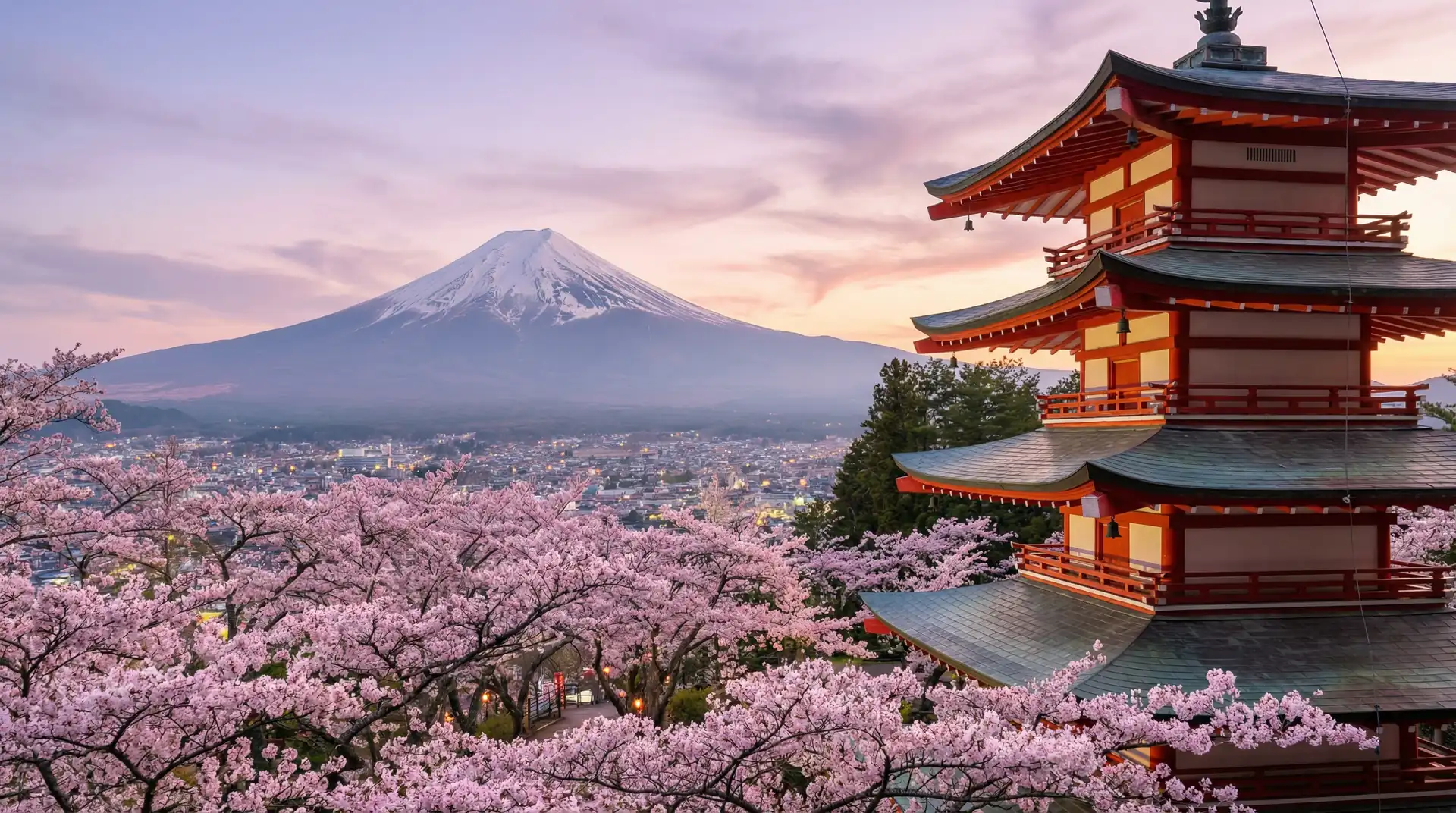
Cherry blossom — sakura — is Japan at its most iconic. The blooms sweep northward across Honshu from late March, peaking in Tokyo around the last week of March to early April, in Kyoto from late March to the first week of April, and in northern regions like Tohoku and Hokkaido through late April and into early May. The window is short — typically seven to ten days at each location — which makes planning and timing critical.
For Dubai residents, cherry blossom season is the most popular time to visit Japan, and demand for Japan tourist visas at VFS Dubai spikes significantly from January onward as travellers plan ahead. Flights on Emirates from Dubai to Tokyo fill up early, with economy class seats in the prime late-March window selling out by December. Business class prices during sakura peak can exceed AED 9,000 per person return.
Visa Planning for Cherry Blossom Season
OraVisa strongly recommends applying for your Japan tourist visa at least 6 weeks before your planned entry date during cherry blossom season. This accounts for the standard 5 to 10 working day processing time, the 2 to 3 week advance booking required for a VFS Global appointment in Dubai during January to March, and a safety buffer in case additional documents are requested. Submitting in December or January for a late-March trip is ideal.
- Book your VFS Dubai appointment in December or January for a late-March or early-April trip
- Cherry blossom dates vary by 10 to 14 days each year based on temperature — check the Japan Meteorological Corporation forecast in February
- Tokyo, Kyoto, and Osaka are the most popular sakura cities — consider Kanazawa, Hirosaki, or Sendai for fewer crowds
- Accommodation near famous parks (Ueno, Maruyama) sells out by October the previous year
- Travel insurance is essential given the non-refundable bookings typical of cherry blossom trips
Summer: June to August
Japan in summer is hot, humid, and vibrant with energy. June marks the beginning of tsuyu — the rainy season — which lasts until mid-July in most of Honshu. While the persistent drizzle can affect outdoor sightseeing, accommodation and flight prices drop significantly compared to spring, making June one of the best-value months for budget-conscious Dubai travellers.
From mid-July onward, the rains clear and summer festivals begin. Gion Matsuri in Kyoto (July), Awa Odori in Tokushima (August), and hundreds of regional fireworks displays (hanabi taikai) run throughout the season. Okinawa, Japan's tropical island prefecture, is at its best for beach holidays from May through September with warm turquoise waters and coral reef snorkelling.
For travellers from Dubai accustomed to extreme heat, Tokyo and Osaka in August — regularly hitting 35°C with high humidity — can feel overwhelming. Hokkaido in the north is considerably cooler and offers lavender fields in Furano during July, making it a popular summer escape within Japan itself.
Visa Planning for Summer
Summer is a more relaxed period for Japan visa applications from Dubai compared to spring and autumn. VFS appointment slots are more readily available in April and May for June and July travel. OraVisa recommends applying at least 4 weeks before your trip to allow for standard processing plus a comfortable buffer.
Summer Travel Tips from Dubai
- June offers the lowest flight prices of the year — return fares from Dubai to Tokyo can drop to AED 1,900
- Book Okinawa flights and accommodation early — domestic Japan routes fill up for the school holidays in late July and August
- Pack light, breathable clothing — Tokyo humidity in August is significantly higher than Dubai's dry heat
- The Obon holiday period in mid-August sees very high domestic travel within Japan — book Shinkansen seats in advance
- Apply for your visa at least 4 weeks before departure — submit in April or May for June or July travel
Autumn Foliage: October to November
Autumn (koyo) is arguably Japan's most visually spectacular season. The mountain maples, ginkgo trees, and temple gardens erupt in shades of crimson, amber, and gold from mid-October onward, sweeping southward through November. Nikko, Kyoto's Arashiyama district, Nara Deer Park, and the Japanese Alps are among the most celebrated destinations for autumn colours.
Temperatures are crisp and comfortable — ideal for walking between temples, hiking mountain trails, and enjoying outdoor onsen (hot spring baths) in the cool air. October and November are widely regarded as the finest weather months in Japan, with low rainfall, clear skies, and temperatures between 12°C and 22°C across central Honshu.
For Dubai residents, autumn is the second most popular Japan travel season after cherry blossom. Emirates and flydubai flights fill up from August onward for October and November departures. Flight prices in October rival spring peak season, typically ranging from AED 2,600 to AED 4,200 return.
Visa Planning for Autumn
OraVisa recommends applying for your Japan tourist visa at least 5 weeks before travel during autumn. VFS Global in Dubai sees elevated appointment demand from August through October. Submit your application in August or September for October travel to secure a comfortable lead time without rushing.
- Autumn foliage peak varies by 10 to 14 days — monitor the Japan Weather Association koyo forecast from September
- Kyoto receives its autumn peak in mid to late November — slightly later than Tokyo which peaks in mid-November
- Hokkaido turns first — Daisetsuzan National Park starts in late September, making it ideal for early autumn travellers
- Apply for your Japan visa by mid-August for October travel and by mid-September for November travel
- Accommodation in Kyoto and Nikko during peak autumn foliage weekend sells out months in advance
Winter and Ski Season: December to February
Winter is Japan's most underrated season for international visitors — and its best value. Outside of the Christmas and New Year rush (late December through early January), January and February see the lowest flight prices, smallest crowds at cultural sites, and the most availability at ryokan (traditional Japanese inns). Tokyo's famous teamLab digital art museums, city shopping districts, and heated indoor attractions are easily enjoyed in cooler temperatures.
For skiing and snowboarding enthusiasts, Japan's northern island of Hokkaido is world-renowned. Niseko, Rusutsu, and Furano receive some of the deepest and lightest powder snow on earth — a product of cold Siberian air masses picking up moisture over the Sea of Japan. The ski season typically runs from December through March, with January and February offering the best snow conditions.
Australian, British, and other English-speaking ski enthusiasts have flocked to Hokkaido for years, and Dubai residents are increasingly discovering it as a viable ski holiday alternative to the European Alps — with comparable quality, comparable distance from Dubai (approximately 9 to 10 hours), and significantly more reliable powder snow. Emirates flies direct to Sapporo (New Chitose Airport) seasonally, providing convenient access to the Niseko region.
Visa Planning for Winter and Ski Season
Winter is the easiest season to obtain a Japan visa from Dubai with minimal lead time pressure. January and February see the lightest demand at VFS Global, and visa processing typically runs at the faster end of the 5 to 10 working day window. OraVisa recommends applying 3 to 4 weeks before your trip. The notable exception is the Christmas and New Year period — apply at least 5 weeks before any travel during late December due to holiday closures at VFS and the consulate.
- Hokkaido ski resorts can be booked as packages from Dubai — Emirates Holidays offers Niseko packages with direct flights
- Sapporo Snow Festival (early February) is a spectacular winter event drawing large crowds to Hokkaido
- Onsen (hot spring) experiences are at their finest in winter — Hakone, Beppu, and Kinosaki are top choices
- January and February visa applications process within 5 to 7 working days in Dubai — the fastest of the year
- New Year (Oshogatsu) is a significant domestic holiday — avoid early January for temple visits as crowds are very large
Best Months for Budget Travel from Dubai to Japan
- June: Cheapest flights (from AED 1,900 return), rainy season but great value
- January to February: Low season outside ski resorts — excellent value, quiet cultural sites
- November (late): Tail end of autumn foliage with dropping prices as peak passes
- September: Brief shoulder season between summer and autumn — pleasant weather, moderate prices
Flights from Dubai to Japan: Airlines, Routes & Costs
Dubai has excellent air connectivity to Japan, with Emirates operating direct daily flights from Dubai International (DXB) to Tokyo Narita (NRT) and Osaka Kansai (KIX). The flight time is approximately 9 hours 30 minutes to Tokyo. flydubai operates codeshare routes with Emirates on some Japan services.
Flight Costs Dubai to Japan by Season (2026 Estimates)
| Month | Season | Economy Return (AED) | Business Return (AED) | Booking Advice |
|---|---|---|---|---|
| January | Winter | 1,800 – 2,600 | 7,500 – 10,000 | Book 4–6 weeks ahead |
| February | Winter | 1,900 – 2,800 | 7,800 – 10,500 | Book 6–8 weeks ahead (Snow Fest) |
| March | Pre-cherry blossom | 2,400 – 3,800 | 9,000 – 13,000 | Book 3–4 months ahead |
| Late March – April | Cherry blossom peak | 2,800 – 4,500 | 10,000 – 16,000 | Book 4–6 months ahead |
| May | Golden Week / shoulder | 2,200 – 3,500 | 8,500 – 12,000 | Avoid Golden Week (Apr 29–May 5) |
| June | Rainy season | 1,900 – 3,200 | 7,500 – 10,000 | Best value, book 4 weeks ahead |
| July – August | Summer | 2,100 – 3,400 | 8,000 – 11,000 | Book 6–8 weeks ahead |
| September | Shoulder | 2,000 – 3,000 | 7,800 – 10,500 | Good value, easy booking |
| October – November | Autumn foliage | 2,600 – 4,200 | 9,500 – 14,000 | Book 3–5 months ahead |
| December | Winter / Christmas | 2,200 – 3,800 | 8,500 – 13,000 | Book 3 months ahead |
January
- Season
- Winter
- Economy Return (AED)
- 1,800 – 2,600
- Business Return (AED)
- 7,500 – 10,000
- Booking Advice
- Book 4–6 weeks ahead
February
- Season
- Winter
- Economy Return (AED)
- 1,900 – 2,800
- Business Return (AED)
- 7,800 – 10,500
- Booking Advice
- Book 6–8 weeks ahead (Snow Fest)
March
- Season
- Pre-cherry blossom
- Economy Return (AED)
- 2,400 – 3,800
- Business Return (AED)
- 9,000 – 13,000
- Booking Advice
- Book 3–4 months ahead
Late March – April
- Season
- Cherry blossom peak
- Economy Return (AED)
- 2,800 – 4,500
- Business Return (AED)
- 10,000 – 16,000
- Booking Advice
- Book 4–6 months ahead
May
- Season
- Golden Week / shoulder
- Economy Return (AED)
- 2,200 – 3,500
- Business Return (AED)
- 8,500 – 12,000
- Booking Advice
- Avoid Golden Week (Apr 29–May 5)
June
- Season
- Rainy season
- Economy Return (AED)
- 1,900 – 3,200
- Business Return (AED)
- 7,500 – 10,000
- Booking Advice
- Best value, book 4 weeks ahead
July – August
- Season
- Summer
- Economy Return (AED)
- 2,100 – 3,400
- Business Return (AED)
- 8,000 – 11,000
- Booking Advice
- Book 6–8 weeks ahead
September
- Season
- Shoulder
- Economy Return (AED)
- 2,000 – 3,000
- Business Return (AED)
- 7,800 – 10,500
- Booking Advice
- Good value, easy booking
October – November
- Season
- Autumn foliage
- Economy Return (AED)
- 2,600 – 4,200
- Business Return (AED)
- 9,500 – 14,000
- Booking Advice
- Book 3–5 months ahead
December
- Season
- Winter / Christmas
- Economy Return (AED)
- 2,200 – 3,800
- Business Return (AED)
- 8,500 – 13,000
- Booking Advice
- Book 3 months ahead
Indicative return economy and business fares from Dubai (DXB) to Tokyo (NRT/HND) or Osaka (KIX) on Emirates, including taxes. Prices fluctuate significantly with booking lead time. Confirm current pricing at emirates.com.
For travellers heading to Hokkaido for skiing, Emirates operates a seasonal direct service from Dubai to Sapporo New Chitose Airport (CTS) during the winter months. Otherwise, connecting via Tokyo with a domestic ANA or JAL flight to Sapporo (approximately 1 hour 30 minutes) is straightforward and affordable when booked in advance.
Japan Visa Processing: Key Considerations by Season
The Japan tourist visa is processed through the Consulate General of Japan in Dubai via VFS Global. Standard processing takes 5 to 10 working days from the date of submission. However, the effective lead time required varies significantly depending on the time of year — both because VFS appointment availability changes seasonally and because the consulate itself experiences higher volumes during peak travel periods.
Why the 6-Week Rule Applies to Cherry Blossom Season
January, February, and early March see a dramatic surge in Japan visa applications from Dubai as cherry blossom travellers submit their applications. VFS Global appointment slots in Dubai become scarce 3 to 4 weeks in advance during this period. If you need to travel in late March or early April and only start planning in February, you may find VFS slots unavailable for 2 to 3 weeks, pushing your submission date dangerously close to your departure.
The 6-week lead time recommended by OraVisa for cherry blossom season is calculated as follows: 2 to 3 weeks to secure a VFS appointment, plus 5 to 10 working days for consulate processing, plus a 5 to 7 day safety buffer. This gives you the best chance of holding your visa in hand before your flights and accommodation become non-cancellable.
Japan Visa Lead Time Recommendations from Dubai by Season
| Travel Period | VFS Wait for Appointment | Consulate Processing | Total Recommended Lead Time |
|---|---|---|---|
| Late March – mid April (cherry blossom) | 2–3 weeks | 5–10 working days | 6 weeks minimum |
| October – November (autumn foliage) | 1–2 weeks | 5–10 working days | 5 weeks minimum |
| July – August (summer) | 1 week | 5–7 working days | 4 weeks minimum |
| December – January (winter / ski) | 3–5 days | 5–7 working days | 3–4 weeks minimum |
| May, June, September (shoulder) | 3–5 days | 5–7 working days | 3 weeks minimum |
Late March – mid April (cherry blossom)
- VFS Wait for Appointment
- 2–3 weeks
- Consulate Processing
- 5–10 working days
- Total Recommended Lead Time
- 6 weeks minimum
October – November (autumn foliage)
- VFS Wait for Appointment
- 1–2 weeks
- Consulate Processing
- 5–10 working days
- Total Recommended Lead Time
- 5 weeks minimum
July – August (summer)
- VFS Wait for Appointment
- 1 week
- Consulate Processing
- 5–7 working days
- Total Recommended Lead Time
- 4 weeks minimum
December – January (winter / ski)
- VFS Wait for Appointment
- 3–5 days
- Consulate Processing
- 5–7 working days
- Total Recommended Lead Time
- 3–4 weeks minimum
May, June, September (shoulder)
- VFS Wait for Appointment
- 3–5 days
- Consulate Processing
- 5–7 working days
- Total Recommended Lead Time
- 3 weeks minimum
VFS appointment availability is an estimate based on seasonal patterns. Always check current availability at vfsglobal.com. These lead times assume a complete, error-free application. Any missing documents will extend the timeline further.
Japan visa applications require a detailed itinerary, hotel bookings, flight reservations, bank statements, and an employment letter. OraVisa recommends preparing your complete document pack before booking your VFS appointment so you are ready to submit at your appointment without delays.
Month-by-Month Recommendation for Dubai Travellers
Still unsure when to book? Here is a concise month-by-month verdict for UAE residents planning a Japan trip from Dubai — balancing weather quality, crowd levels, flight costs, and visa lead time pressure.
- January: Excellent for winter sightseeing and skiing in Hokkaido. Quiet, affordable, easy visa. Avoid early January if you want uncrowded temples (Oshogatsu crowds).
- February: Sapporo Snow Festival is a highlight. Good ski conditions. Cherry blossom planning should begin now — book VFS appointments in February for April travel.
- March: Early cherry blossoms appear in southern Japan (Kyushu) by mid-March. Flight prices rising. Apply for visa immediately if planning late-March travel.
- Late March – mid-April: The crown jewel. Cherry blossom peak. Expensive, busy, unmissable. Visa must be in process at least 6 weeks before departure.
- May: Golden Week (late April to early May) sees peak domestic travel — plan around it. Mid to late May is a pleasant shoulder period with good weather.
- June: Best value month. Rainy season but with breaks. Cheap flights, open accommodation. Ideal for budget-conscious travellers who can handle some rain.
- July: Matsuri festival season begins. Hot and humid in central Japan. Okinawa beach holidays are excellent. Hokkaido lavender in full bloom.
- August: Summer peak for domestic travel. Obon holiday crowds. Fujisan climbing season. Best enjoyed in Hokkaido or Okinawa rather than central cities.
- September: Brief, beautiful shoulder month. Warm days, cooler evenings, low crowds, moderate prices. One of the best months for cycling and hiking in Japan.
- October: Autumn foliage begins in Hokkaido and northern Honshu. Comfortable temperatures, stunning scenery. Book early — fills up fast.
- November: Peak autumn foliage in Kyoto, Nara, and Nikko. Highly recommended. Prices and crowds rival cherry blossom season. Apply for visa in September.
- December: Pre-Christmas Japan is magical with illuminations. Ski season opens in Hokkaido. New Year period is busy and expensive — book 4 to 6 months ahead.
Ready to Plan Your Japan Trip from Dubai?
OraVisa handles Japan tourist visa applications from Dubai end-to-end. We book your VFS appointment, review every document, and track your application so you can focus on planning the trip itself — not the paperwork.
Get Your Free Japan Visa ConsultationFrequently Asked Questions
What is the best time to visit Japan from Dubai for cherry blossoms?
The best time to see cherry blossoms in Japan from Dubai is late March to mid-April. Tokyo typically peaks in the last week of March, Kyoto in late March to early April, and northern regions through late April. Apply for your Japan tourist visa at least 6 weeks before your intended departure date, as VFS appointment slots in Dubai fill up early during this period.
How far in advance should I apply for a Japan visa from Dubai for cherry blossom season?
OraVisa recommends applying for your Japan tourist visa at least 6 weeks before your planned entry date during cherry blossom season (late March to mid-April). This accounts for the 2 to 3 week wait for VFS Global appointment slots in Dubai during the busy January to March period, plus the standard 5 to 10 working day consulate processing time, plus a safety buffer.
When is the cheapest time to fly from Dubai to Japan?
June is typically the cheapest month for flights from Dubai to Japan, with economy return fares dropping to approximately AED 1,900 due to the rainy season deterring some travellers. January and February (outside ski resort destinations) also offer competitive fares from AED 1,800 return. Avoid late March to April and October to November when cherry blossom and autumn foliage demand pushes prices to AED 2,800 to 4,500 return.
Does Emirates fly direct from Dubai to Japan?
Yes. Emirates operates direct daily flights from Dubai International (DXB) to Tokyo Narita (NRT) and Osaka Kansai (KIX). The flight time is approximately 9 hours 30 minutes to Tokyo and 9 hours to Osaka. Emirates also operates a seasonal direct service to Sapporo (CTS) for winter ski season travellers heading to Hokkaido.
Is Japan good to visit in summer from Dubai?
Japan in summer is very hot and humid, particularly in July and August — which can feel challenging even for Dubai residents accustomed to heat, as Japan's humidity is significantly higher. However, June offers the best-value flights of the year, and mid-July onward brings spectacular matsuri festivals and fireworks displays. Hokkaido and Okinawa are the most comfortable summer destinations in Japan.
How long does a Japan visa take from Dubai?
Standard Japan tourist visa processing from Dubai takes 5 to 10 working days at the Consulate General of Japan, after your documents are submitted through VFS Global. However, VFS appointment availability adds to the total timeline — during peak seasons (January to March and August to October), appointments may be unavailable for 2 to 3 weeks in advance. Total lead time should be 3 to 6 weeks depending on the season.
Is skiing in Japan worth visiting from Dubai?
Absolutely. Japan's Hokkaido ski resorts, particularly Niseko, are renowned worldwide for exceptionally deep and light powder snow, excellent resort infrastructure, and Japanese hospitality. For Dubai residents, the flight time is similar to European ski destinations (approximately 9 to 10 hours) with the significant advantage of far more reliable snow conditions. Emirates flies direct to Sapporo seasonally, making access straightforward.
Need Expert Visa Assistance?
OraVisa handles everything from document preparation to embassy submission. Get a free consultation today.
Get Free ConsultationTools to Help You Prepare
Get a personalised list of every document you need for this visa.
See a full cost breakdown — government fees, VFS charges & more in AED.
Check standard, express & peak processing times and when to apply.
All tools are free — no login required. View all tools →
Related Visa Guides
Written by
Priya Sharma
Senior Visa Consultant — Asia & Americas
Senior Visa Consultant specializing in Asian & American destinations. 8 years of experience with a proven track record in complex multi-country applications.
Expert reviewed by Ahmed Al Rashid
Senior Visa Consultant
Last updated: · 12+ years of visa consultancy experience
Last updated: